The employment landscape in the United States constantly evolves, offering a vast range of career opportunities for residents and newcomers alike. Navigating job options can sometimes feel overwhelming, but understanding the possibilities makes all the difference.
This article is for anyone considering working in the USA, whether you’re a student, recent graduate, experienced professional, or someone seeking a fresh start. The primary benefit? Gaining clarity around the job market, available benefits, and realistic tips to improve your chances.



If you’re looking for a way to enhance your future, exploring jobs in America might offer the springboard you need. Let’s break down what to expect and how to approach the process.

Growing Job Opportunities Across the USA
Several sectors in the USA are seeing steady or rapid growth, thanks to both innovation and population size. Technology, healthcare, finance, and education top the list, but other industries are rising, too.
The U.S. Bureau of Labor Statistics regularly updates market trends, revealing that roles in IT, nursing, logistics, and renewable energy are among the most in-demand. These jobs often offer strong career progression and diverse workplace cultures.
Another factor is urban versus rural availability. Major cities tend to offer more high-skill jobs, while rural regions may see increased need for agriculture, public service, and skilled trades. Each setting comes with its own benefits.
Key Advantages of Working in the USA
One primary attraction of employment in the U.S. is the competitive salary potential . The national minimum wage varies by state, but many employers offer above-minimum compensation to remain attractive in a tight labor market.
Healthcare and retirement plans are other popular benefits. Employers that offer health insurance, 401(k) matching, paid family leave, and wellness programs can be found at larger companies, but even smaller businesses are becoming more mindful of what workers need.
Flexibility is increasing as well. Remote work and hybrid schedules continue to reshape the American workplace. It’s fair to say that, while some roles require in-person presence, many positions now accommodate flexible arrangements.
Diversity and Inclusion Initiatives
There’s also an increased focus on diversity in hiring . Many organizations now prioritize inclusion, offering resources for historically underrepresented groups. This shift benefits both workers and companies by fostering greater innovation.
Popular Industries and Emerging Fields
Technology, especially software development and cybersecurity, consistently ranks among the best options for reliable employment. There’s always interest in those with strong skills in programming, data science, and network security.
Healthcare remains essential. Registered nurses, physician assistants, and medical technologists are in constant demand. This sector often provides robust training and longer-term stability, even in times of economic change.
Construction, skilled trades, and logistics have stayed vital as both infrastructure and supply chain needs evolve. Many employers offer apprenticeships or certified training, which can lower the entry barrier for newcomers.
How to Get Hired in the USA
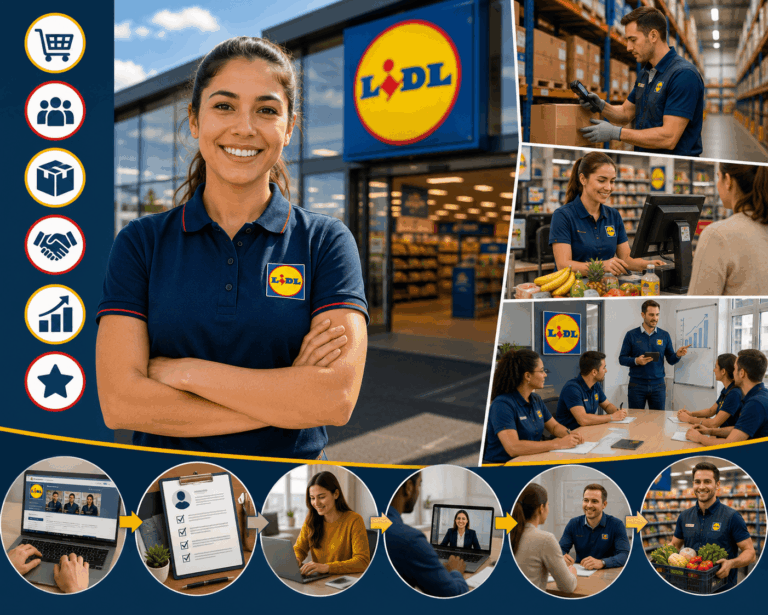
Standing out to American employers usually starts well before a job interview. It begins with targeted resume preparation , relevant experience, and skill-building wherever possible. Networking can also make a big difference.
Many companies use Applicant Tracking Systems (ATS), which scan resumes for specific keywords. Tailoring your resume to highlight relevant experience, including soft skills like communication and adaptability, increases your odds.
Most candidates will apply through online platforms, but attending virtual or in-person job fairs helps too. Soft skills, punctuality, and enthusiasm tend to matter as much as technical expertise, especially for customer-facing roles.
Essential Steps in the Hiring Process
The typical process includes submitting a resume, undergoing one or more interviews, and sometimes taking technical or personality assessments. Employers look for candidates who show genuine interest and a good cultural fit with the team.
Visa and Work Authorization Considerations
For non-U.S. citizens, understanding visa options is crucial. Roles in fields with shortages, like STEM, may offer sponsorship under the H-1B program or similar categories. Permanent residency and work permit requirements can seem complex, yet official sources like USCIS provide up-to-date, trustworthy information.
Tips to Increase Employability
Continuous learning never goes out of style. Taking relevant certification courses in your field can signal initiative and commitment to potential employers. Many employers value upskilling in areas like digital literacy, project management, and AI.
Personal branding is another subtle factor. A professional LinkedIn profile, ideally with recommendations and clear achievements, might tip the balance in a tight job competition.
One way to stay informed is by following labor data, for example through the U.S. Bureau of Labor Statistics website. Understanding job outlook and salary trends keeps expectations grounded and guides smart decisions.
Legal Protections in the US Workplace
The USA maintains clear federal laws against discrimination—regardless of gender, race, religion, or disability. In practice, each state can have its own additional employee protections, but the baseline is robust by global standards.
Workers are typically covered by rights around overtime pay, safe working conditions, and privacy. Harassment and retaliation rules are enforced, with the Equal Employment Opportunity Commission (EEOC) providing oversight.
If unsure about a company’s practices, reviews on platforms like Glassdoor or Indeed can be a helpful indicator, but relying on official resources and direct company contacts is best.
Understanding Taxes and Withholdings
Working in the United States means earnings are subject to federal, state, and sometimes local income tax. Employers generally withhold these automatically, but understanding your deductions is useful for year-end planning.
Tax rates depend on income, filing status, and location. Submitting an annual tax return is mandatory for nearly all employees, and resources from the IRS website outline requirements and deadlines clearly.
For those new to the tax process, free or discounted filing help often exists through community organizations or employer programs. Early preparation helps avoid surprises.
Next Steps and How to Apply for US Jobs
In summary, the USA offers a wide variety of career opportunities with benefits ranging from competitive salaries to inclusive workplaces. Preparing thoughtfully, staying adaptable, and leveraging official guidance serve as your foundation.
For those ready to take the next step, consider exploring listings or submitting an application through the official portal at usa.gov/find-a-job. Each journey may unfold differently, but information and persistence play a crucial role.