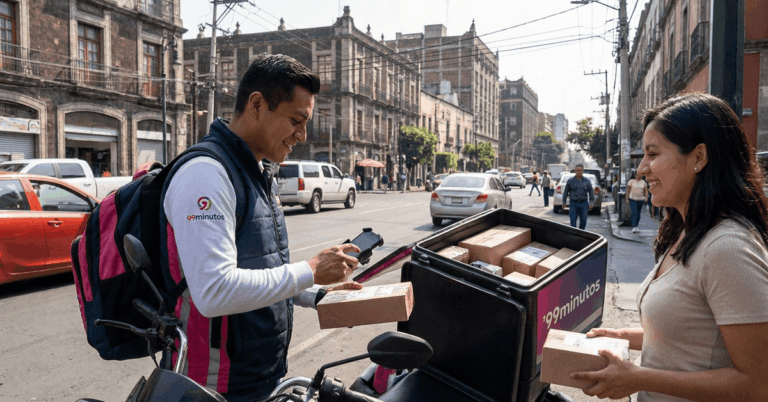
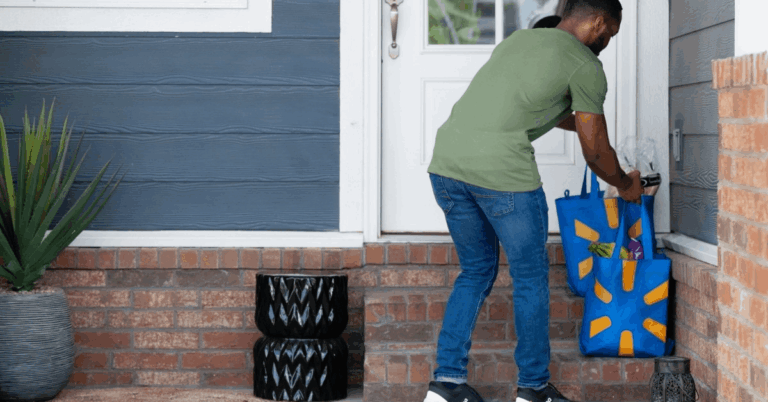
Working in food delivery has become increasingly popular in Spain. Many people are looking for extra income or more flexible working hours.
This article explores how food delivery jobs work, the best platforms, and what you can realistically earn in Spain today.

Whether you’re a student, between jobs, or seeking side income, food delivery offers an accessible way to make money. Spain’s urban centers and tourist areas mean there’s steady demand for couriers, even if every day looks a bit different.
If you’ve ever wondered which apps offer the best pay, want to know what’s really involved, or are curious about the requirements, this is for you. You’ll also find practical advice based on real trends and lived experience—not just glossy promises.
Why Food Delivery Is a Great Earning Option in Spain
The gig economy has exploded, particularly in bigger cities like Madrid and Barcelona. Food delivery sits at the intersection of technology, convenience, and personal flexibility. But is it all as easy as it sounds? Maybe, but also—maybe not always.
One big draw is the potential for same-day earnings. Many platforms offer quick setups and daily payouts, appealing for those needing fast financial relief. There’s also the flexibility: schedules, routes, and hours can often be chosen by the courier.
Demand stays high thanks to busy lifestyles, and in tourist hotspots, delivery requests can spike unexpectedly. Of course, there are slow days and late shifts, too. But overall, opportunities keep growing, making it a reasonable choice for many job seekers.
Top Food Delivery Apps and Jobs in Spain
A handful of well-known platforms dominate food delivery in Spain. It’s not a bad idea to become familiar with several, since some overlap helps maximize earnings and reduce idle time. Here are the main players most couriers rely on.
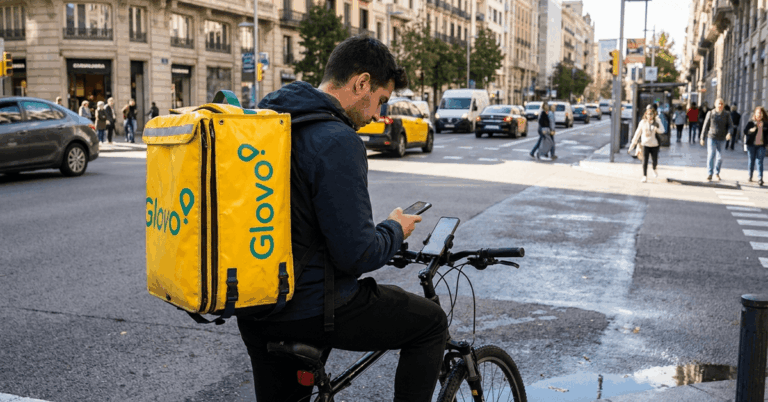
Glovo
Glovo is a Spanish-founded delivery platform that covers food, groceries, and even pharmacy items. It’s widely used nationwide, and the registration process is fairly straightforward. Glovo’s official rider information lays out requirements and onboarding.
Uber Eats
Uber Eats operates in many major cities, offering a familiar interface for anyone who’s worked with Uber or similar global services. Earnings depend on distance, demand, and customer tips, leading to some unpredictability from week to week.
Just Eat
Just Eat continues to grow, focusing on quick ordering from recognizable restaurant chains and local spots. Often, it partners with logistics companies, so actual hiring may be managed by third parties rather than Just Eat directly.
Deliveroo (limited availability)
Deliveroo was quite active in Spain until recent regulatory shifts. As of now, its operations are restricted, and new opportunities may be limited. Existing couriers might still have access in select regions, so this may change as the market evolves.
Stuart
Stuart offers not just food delivery but also express courier services. The platform appeals to those who don’t mind the occasional non-food assignment, and it’s common in large urban centers.
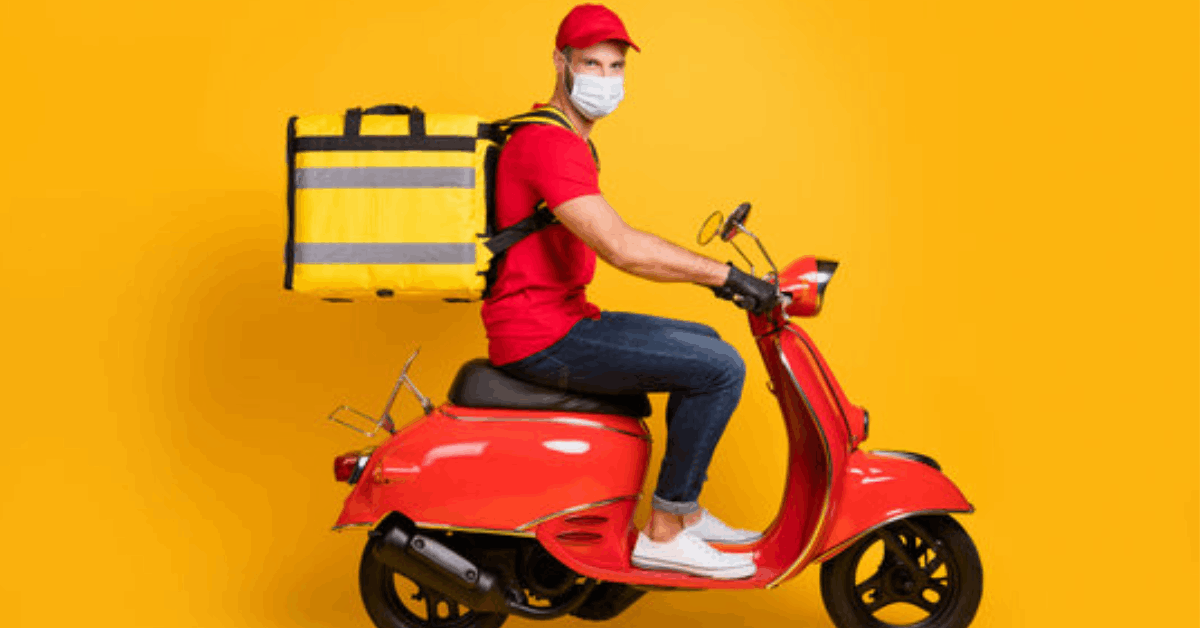
Expected Earnings and Factors That Influence Pay
Pay structures for couriers in Spain can get a little complicated. Wages vary by platform, time of day, and even the specific neighborhood. Some days are busier than others, and weather matters more than most people expect.
In general, typical earnings range from €7 to €13 per hour, before expenses. On a good night in a high-demand area, it’s possible to reach the upper end—even more, if you catch bonus periods or strike fast with multiple orders.
Peak Times and Bonuses
All major platforms offer surge rates or incentives during peak mealtimes, weekends, or rainy days. Bonuses may include guaranteed pay per hour or extra earnings for completing streaks—though terms change often and can be a bit confusing mid-shift.
Costs to Consider
One thing people sometimes overlook: delivery work has expenses. Fuel for scooters, maintenance, and even the cost of mobile data can eat into total earnings. Many couriers suggest budgeting 20-30% of gross income for costs.
Tips and Real-World Variables
Tipping isn’t universal in Spain, but it’s growing in popularity with app-based payments. Good service, quick delivery, or helping with bags can increase the odds of earning tips, though it’s never fully predictable day to day.
Requirements to Get Started Delivering Food
One of the inclusive aspects of food delivery jobs is that requirements are generally simple. A few basics must be met to work as a courier legally in Spain—sometimes legal changes make headlines, but the essentials tend to stay the same.
- Minimum Age : Usually 18+
- Smartphone with GPS and data
- Transport : Bicycle, scooter, or motorbike. Some jobs allow for foot couriers in high-density areas.
- Valid identification (NIE or DNI)
- Trafico insurance for motor vehicles
- Bank account for payments
Registration can often be completed online in 30–60 minutes, although some platforms will require an in-person visit to check documents or equipment.
Legal Status, Contracts, and Tax Obligations
Spain’s laws around gig work continue to change, sometimes unpredictably. Most couriers are considered self-employed (“autónomo”), so you need to register and handle your own taxes, including social security contributions.
Recent rules may require certain platforms to classify drivers as staff rather than freelancers, but the process takes time. It’s normal to feel a bit lost reading the news or talking to other couriers—some details differ city by city, agency by agency.
For official guidance, the Spanish government’s SEPE employment site publishes periodic updates. Keeping receipts and setting money aside for taxes is strongly advised, and many couriers use free online calculators to estimate quarterly tax bills.
Tips to Succeed and Avoid Burnout in Food Delivery
Succeeding as a courier means more than just riding to the next address. Balancing earnings, health, and stress is a bigger part than most anticipate. Routes can be unpredictable, weather varies, and unexpected events pop up from time to time.
Know Your Zone
Learning which neighborhoods generate frequent orders—and when—can dramatically improve efficiency. Some couriers use two or three apps at once to minimize downtime and take advantage of overlapping peak hours.
Manage Your Gear
Comfortable clothing, a reliable power bank, and a well-maintained vehicle matter more than many realize. Investing in quality gear upfront can mean fewer delays, less discomfort, and ultimately higher daily income.
Plan for Downtime
Some shifts won’t go as planned, and that’s normal. It helps to treat waiting periods as normal rather than discouraging—a good playlist or audiobook can make a big difference. Most seasoned couriers say patience is essential for long-term sustainability.
Conclusion: Should You Apply for Food Delivery Jobs in Spain?
Food delivery jobs in Spain offer flexibility, decent earnings, and quick starts. But they’re not as simple as tapping an app and heading out. Realistically, there are ups and downs—weather shifts, policy changes, and economic cycles all play a part.
If you’re searching for adaptable work and don’t mind the physical aspects, it’s a reasonable way to boost income or bridge financial gaps. Still, there’s value in researching each platform and being honest about your own goals, availability, and tolerance for unpredictability.
For some, it’s truly rewarding—both financially and in terms of freedom. For others, maybe it’s just a stepping stone or temporary fix. The best advice? Test the waters gently and keep options open. It’s okay to be uncertain, because the landscape keeps evolving.