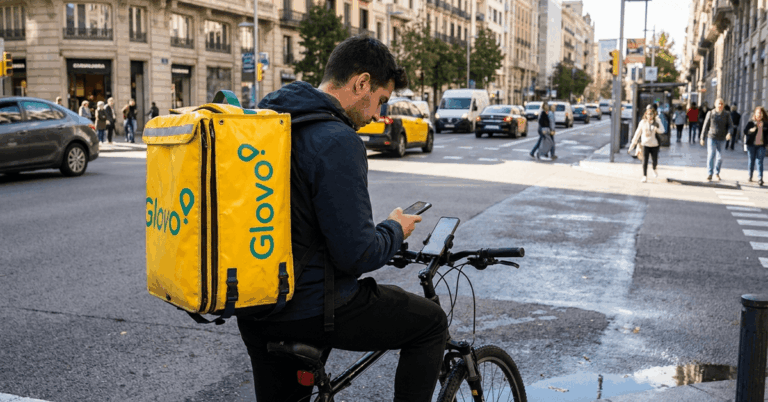
The gig economy continues to grow rapidly in Spain. For many, working as a self-employed delivery rider offers appealing flexibility and chances to earn a steady income. This guide unpacks how you can start and thrive in this sector.
This article is for individuals considering launching a career in the Spanish delivery sector, either on two wheels or with a car. If you value autonomy, want to manage your schedule, and seek insight into legal requirements, you’ll find practical answers here.

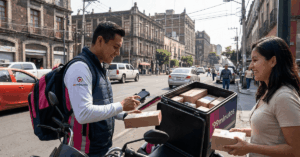
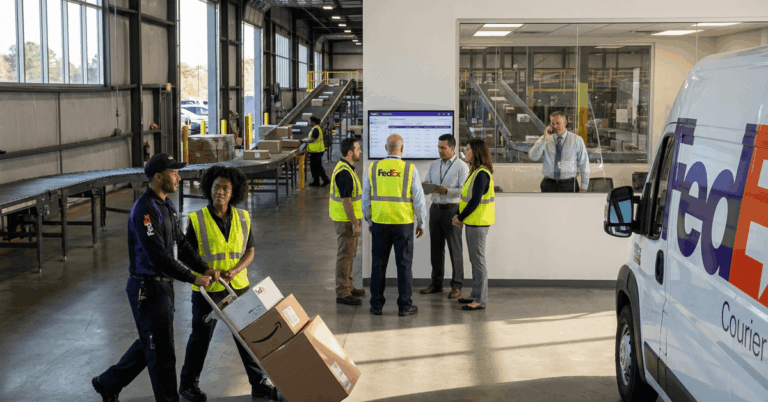
From the very first registration steps, to the finer points of taxes, and even tips to make your shifts more profitable, this guide navigates the Spanish context exclusively. Discover what’s possible in local cities, the rules that count for getting paid, and how to avoid common hurdles that slow down new freelancers.
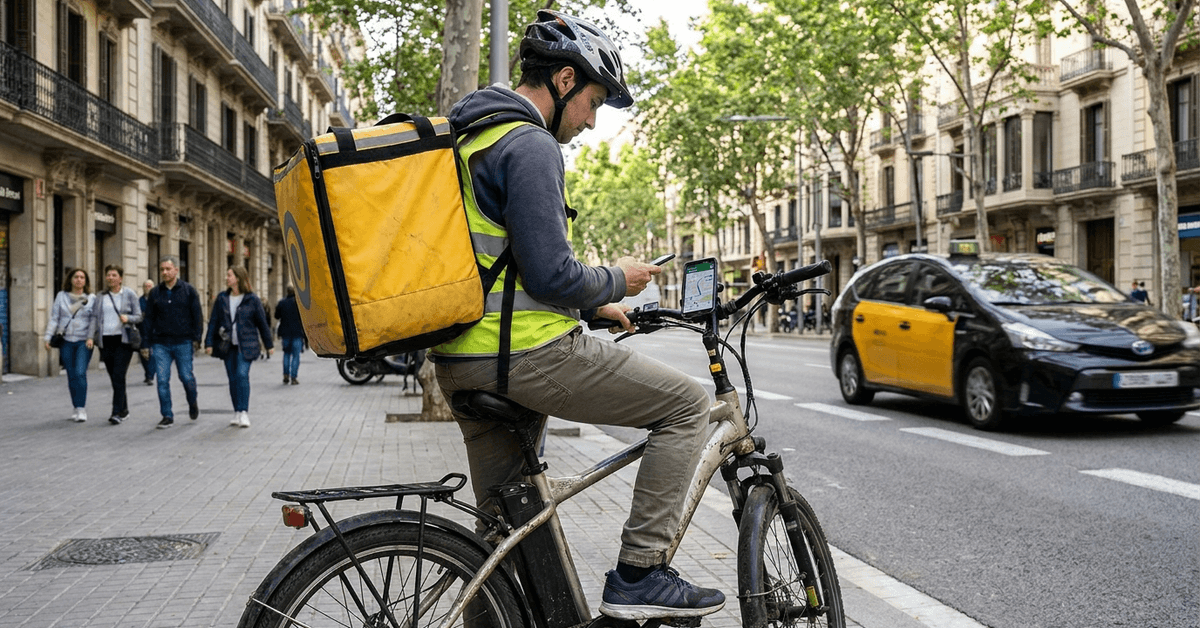
Why Work as a Self-Employed Delivery Rider in Spain?
In recent years, city centers across Spain have witnessed a noticeable rise in delivery riders. This surge largely results from growing demand for food, grocery, and parcel services, all accessible with a digital platform.
Those who choose the self-employed delivery rider route often cite flexibility as a major plus. Shifts can be adjusted to suit family life, studies, or other commitments. Of course, there’s also the appeal of direct control over one’s income.
Platforms typically pay per delivery, sometimes offering incentives for peak hours or special events. While earnings depend on city population and local demand, it’s not rare to find riders in larger cities doing quite well if they time their shifts right.
Key Legal Requirements for Self-Employed Riders
In Spain, legal compliance is especially important for autonomous work. The term “autónomo” is used for freelancers and self-employed people, and that’s the category you’ll need to register under to work officially as a delivery rider.
Registering as an Autónomo
One of the first steps involves registration at the Social Security office. New autónomos may have access to lower contributions (the “tarifa plana”), which reduces initial costs for the first 12 months.
The second step is declaring your freelance activity at the Agencia Tributaria (Tax Agency). This requires submitting Model 036 or 037 forms, specifying that your activity matches gig or courier services.
Understanding Tax Obligations
Each quarter, autónomos are required to submit VAT (IVA) returns if applicable, alongside their personal income tax (IRPF) advances. Tax software or an accountant can help manage entries.
Being self-employed means keeping receipts for fuel, equipment, and other business costs. These records are needed during annual tax filings and, sometimes, in case of inspection.
Insurance and Safety Considerations
Personal insurance is a smart move. While not always mandatory, hiring civil liability and accident coverage is recommended for peace of mind, especially given busy city traffic.
Fast-paced work, especially on bikes or scooters, comes with risks. Many choose insurance that protects them from accidents or third-party liability on the job.
Choosing the Best Delivery Platforms in Spain
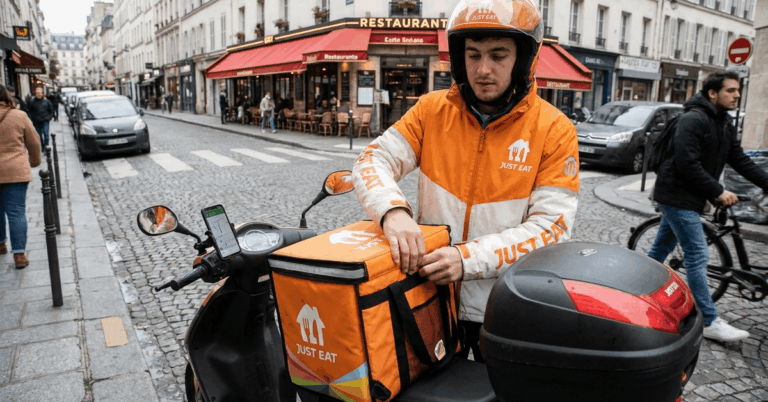
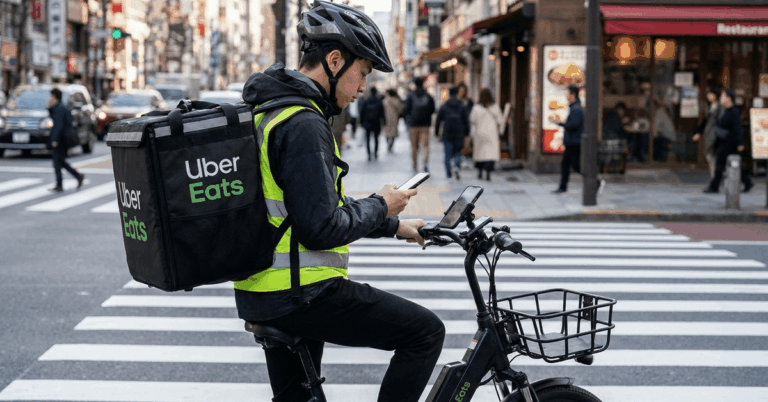
Spain’s delivery sector hosts several major platforms. Some of the common names are Glovo, Uber Eats, Just Eat, and Stuart. Each has slightly different contract models, commission rates, and payment schedules.
Application and Onboarding Process
The process usually begins with online application forms. Personal information, background checks, and at least one form of identification are required. Sometimes, vehicle documents are also needed.
Some platforms offer direct contracts, while others work only with autónomos. It’s important to read contract terms carefully before starting shifts, as each company defines their rules around earnings and bonuses.
Delivery Area and City Variations
Major cities like Madrid, Barcelona, Valencia, and Seville offer the highest density of orders and the widest variety of platform options. Rural and small-town areas often have lower volume, but perhaps less competition for shifts.
Payment, Fees, and Withdrawal
Most platforms pay weekly or biweekly. Payments go directly into your bank account, minus platform fees and commissions. Charge rates can vary based on the customer’s distance, time slot, and the rider’s own availability.
Equipment and Setup Essentials
Initial expenses for a delivery rider in Spain are generally moderate, at least compared to launching other types of business. A reliable bike, scooter, or car is required, together with basic safety equipment.
Required Equipment Checklist
- Bicycle, scooter, or car with all legal documentation
- Smartphone with stable internet (for app and navigation)
- Helmet (mandatory for bikes and scooters)
- Reflective vest
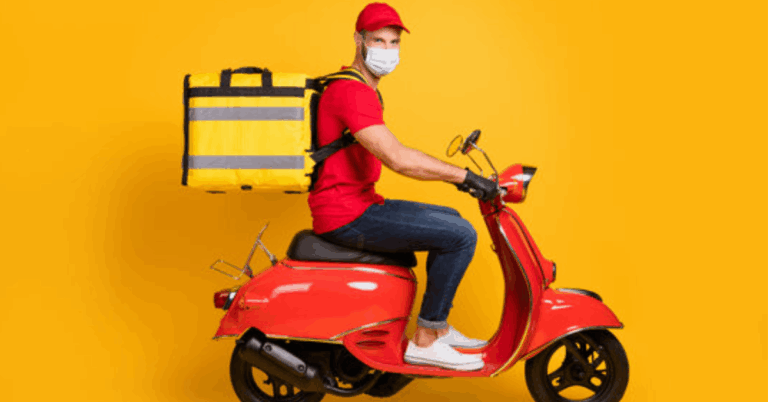
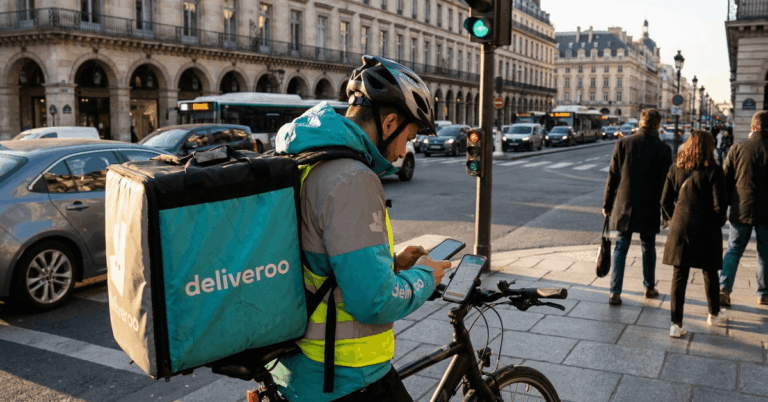
- Insulated delivery backpack
- Power bank and phone mount
Kilometer wear and tear count, especially in busy seasons. Some riders factor this into their per-shift income estimates—interesting, honestly, how expenses can add up over time.
Earning Potential and Common Challenges
Earnings can range significantly. Many sources suggest that typical net income for a full-time delivery rider in larger cities falls between €1,000 and €1,500 per month, although some report a bit more during peak periods.
Riders should plan for quieter weeks, as demand isn’t always predictable. Sometimes weather, events, or changes in local restrictions can quickly impact the volume of orders available on various platforms.
I have seen some riders supplement their delivery shifts by joining multiple platforms, which can be helpful when one platform is slow. There’s no rule against this for autónomos, though it’s smart to read each company’s policy carefully.
Tips for Success as a Self-Employed Delivery Rider
Time management tends to make a noticeable difference in long-term earnings. Many cite the importance of tracking local “rush” periods (like lunch and dinner hours) and choosing routes that maximize order density.
Efficiency isn’t about rushing. Staying organized—prepping your kit in advance, keeping a spare phone charger, or planning water breaks—can help rides go smoothly. Little details, but small changes do add up.
Staying healthy also matters. Nutrition, hydration, and rest can affect performance, especially during longer shifts. A few riders join online communities for support or advice, though experiences definitely vary.
Official Pathways and Where to Apply
For those ready to start the process, the Spanish government provides resources for autónomo registration. The main portal is the Seguridad Social site. Official details and forms are available at Seguridad Social registration page.
Major platforms also provide onboarding sections within their official websites. Application and onboarding info for Glovo, for example, is best found directly via their courier application portal.
Conclusion: Making Delivery Freelancing Work in Spain
Working as a self-employed delivery rider in Spain offers opportunity, flexibility, and independent earnings. While there are legal obligations and a learning curve, the right approach reveals a path to stable, flexible income.
Navigating local tax, insurance, and equipment requirements takes effort, but it can be done step by step. The Spanish gig economy rewards riders who adapt to changing demand, manage time well, and keep learning along the way.
Many discover that the balance between autonomy and uncertainty brings its unique set of rewards. Success doesn’t look the same for everyone—for some, it’s about flexible hours; for others, maximizing monthly income or even just learning something new.