Every year, many Americans depend on SNAP, officially known as the Supplemental Nutrition Assistance Program. In 2026, a few key changes might impact how much help you receive and even if you qualify at all.
This article explains the latest SNAP income limits , common eligibility details, and how to safely apply for food benefits online. Anyone concerned about their grocery budget or supporting a family in the United States will likely find practical insights here.

Not only does SNAP help put nutritious food on the table, but it also serves as a lifeline for people in all sorts of economic situations. Knowing exactly what’s expected in 2026 could provide reassurance as well as clarity.
Understanding SNAP in 2026: Who Qualifies and Why It Matters
The goals of SNAP are straightforward: support low-income households so everyone has access to healthy meals. New guidelines tend to reflect current economic conditions and cost of living.
Eligibility is mostly based on household income, size, and certain expenses. SNAP is not just for unemployed people; many recipients work and still qualify due to low wages or high expenses.
More Than Income: The Broader Criteria
Sometimes, knowing if you’re eligible isn’t just about raw income. SNAP takes assets, family structure, and special circumstances like disability into account.
In 2026, it’s expected that most asset limits and rules won’t change much, but minor adjustments might surface with economic factors. For families, there are options for expanded eligibility if there are elderly or children in the home.
What Are the 2026 SNAP Income Limits?
Each year, the federal government updates income limits for food stamps to reflect inflation and changes in the economy. In 2026, the general guidelines will again use household size and gross income as primary factors.
2026 Gross and Net Monthly Income Standards
For most households, gross income must be at or below 130% of the federal poverty level. Net income (after deductions like certain utilities or child care) should be below 100% of that threshold.
- 1-person household: approx. $1,550 gross monthly
- 2-person household: around $2,100 gross monthly
- 3-person household: about $2,650 gross monthly
- 4-person household: roughly $3,200 gross monthly
- Each additional person: +$550 gross monthly
It’s worth checking the official SNAP resources for the finalized numbers because they’re subject to adjustment before each October.
Deductions and Special Situations
SNAP calculations consider some allowed deductions, including medical costs for seniors or disabled members, dependent care expenses, and earned income credits.
This means some people might technically be over the gross limit but still qualify after deductions are subtracted. For instance, a parent with high child care expenses often finds their net income meets SNAP requirements.
Household Composition’s Impact
The income thresholds rise with more people living in the home. Spouses, children, and sometimes elderly parents or relatives all factor into calculations, which can change eligibility projections quite a bit.
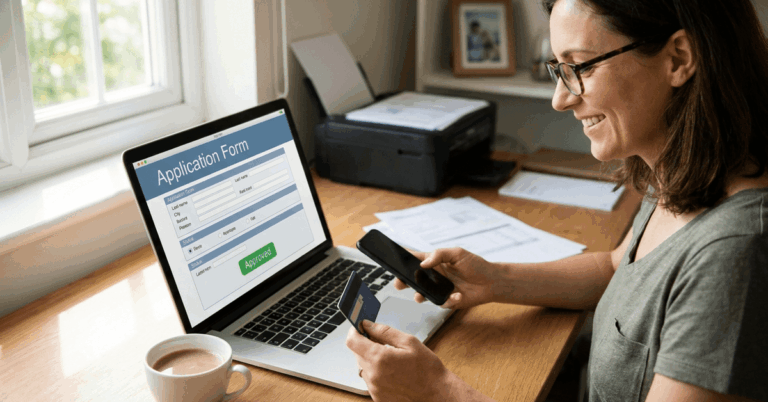
How to Apply for SNAP Benefits Online in 2026
There is a national shift towards digital application processes. By 2026, most states encourage or require applicants to use the secure online SNAP portals.
Where to Begin: Official Application Portals
Applicants in the United States access SNAP applications mainly via state government websites. The process tends to be straightforward, guiding applicants step by step and offering support where needed.
The safest and most reliable entry point is the USA.gov food stamps page. It provides official links to each state’s application portal and further details about eligibility requirements.
Common Documents and Verification Steps
- Proof of Identification (driver’s license, state ID)
- Social Security numbers for household members
- Proof of income (pay stubs, benefit awards, or unemployment verification)
- Expense documentation (rent, utilities, child care, medical bills)
An online application may also request digital copies or uploads of these documents. Most platforms are mobile-friendly by 2026, making it convenient for anyone with basic internet access.
Interview and Approval Process
After submitting your application, expect a follow-up interview—often by phone or video. Officials use this discussion to clarify information and guide you through the final steps.
Processing times can vary, but most states offer a decision within 30 days. Households in emergency situations may be fast-tracked.
What Happens After Approval? Understanding Your SNAP Benefits
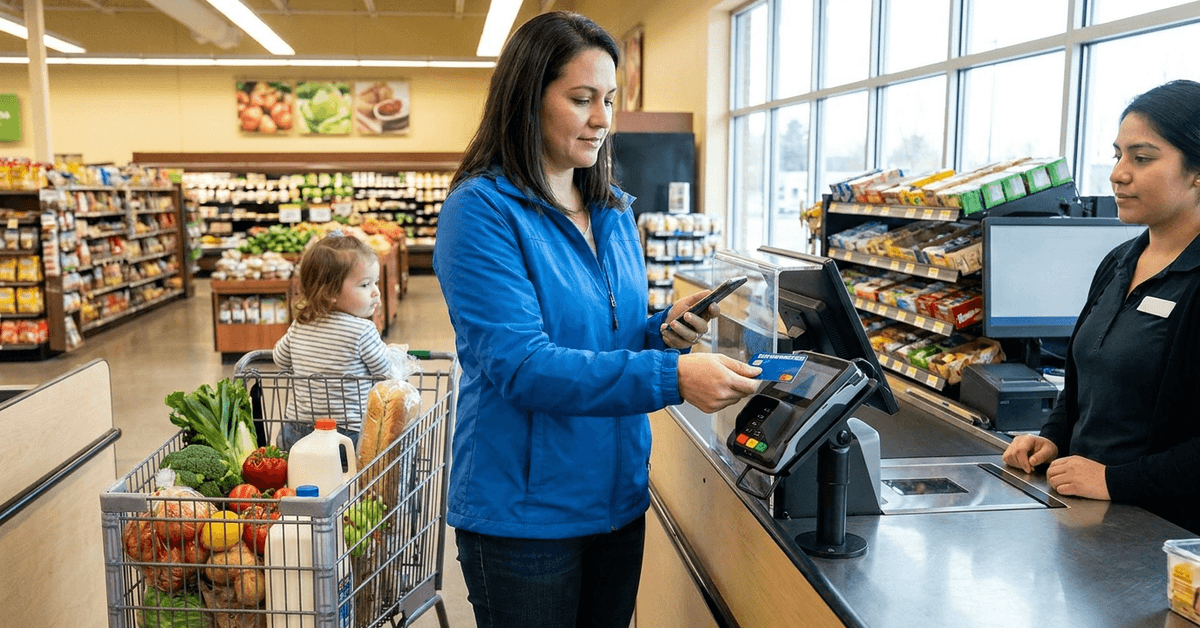
Approved recipients receive their benefits on an Electronic Benefits Transfer (EBT) card. This card works at participating grocery stores and some online retailers, especially those offering delivery.
Monthly amounts depend on household size and income but must be spent on approved food items only. Non-food purchases are not covered by SNAP.
Maintaining Eligibility Over Time
SNAP requires recipients to periodically recertify their eligibility. This typically happens every 6 or 12 months, based on state policy.
If income or household circumstances change, recipients may need to report updates. This ensures the benefit amount remains accurate and within federal guidelines.
Possible Changes to Expect in SNAP for 2026
Legislation and policy adjustments affect SNAP every year. In 2026, there could be shifts in eligible food items, online shopping capabilities, or qualification criteria due to economic trends or new laws.
While the basics likely remain stable, it’s reasonable to prepare for occasional adjustments around income thresholds, verification steps, or eligible expenses.
Online Shopping and Delivery Growth
Recent years saw a big increase in EBT usage for delivery services and online grocery orders. By 2026, most recipients have these options widely available, though not every retailer will participate.
Check local SNAP guidelines for the latest list of approved retailers and online platforms. This area is still evolving, with new conveniences arriving every year.
Resources: Where to Learn More and Get Help
Multiple official sources offer additional clarity. The USDA SNAP recipient eligibility page gives up-to-date rules and detailed state links.
Local health or social service offices still offer in-person assistance, but in 2026, digital resources often provide quicker, more accessible pathways for most applicants.
Conclusion: Taking Charge of Your Food Security With SNAP in 2026
The journey to securing SNAP benefits may seem complex, but every step is intended to increase access to healthy food and financial peace of mind.
In 2026, clearer income limits, streamlined online applications, and expanded digital support make the process more accessible than ever before.
Whether you’re supporting a growing family, managing unexpected hardship, or simply planning ahead, it never hurts to stay informed about food assistance options. Learning the basics now could make all the difference for your household this year or next.
To get started or to verify your eligibility, visit the official SNAP application portal. The platform will guide you to your state’s resources and most current requirements right away.