Navigating digital payments in Poland can feel overwhelming, especially with so many options coming and going. For many online shoppers and freelancers, having a PayPal Mastercard can seem like the perfect solution.
But how available is it for Polish residents, and what payment avenues remain if it isn’t? This article dives into the facts, practical use cases, and what Polish users might expect when considering their options for global spending and online transactions.

This guide is intended for anyone living in Poland who’s thinking about linking a Mastercard to PayPal, maximizing online payments, or exploring alternatives for international transactions. There’s potentially more flexibility here than most might expect.
Understanding the availability of the PayPal Mastercard —and what it means for e-commerce, freelancers, and regular consumers—gives a much-needed clarity for planning future purchases and payments. Let’s look at what is and isn’t possible, why it matters, and what realistic workarounds exist for users in Poland.
Is the PayPal Mastercard Available in Poland?
This is probably the number one question. At present, the main PayPal Mastercard (the branded debit or credit card) remains unavailable for direct issue to Polish residents . Some neighboring countries in Western Europe offer it, but the Polish PayPal account hub still lacks official support.
The PayPal Prepaid Mastercard, widely used in the US and select European markets, can’t be ordered with a standard Polish delivery address either. This remains the case even if a user tries to bypass with an international PayPal account—such actions risk account suspension and breach user agreements.
It is possible this will change in the future, but as of now, Polish consumers will not find a public application for a PayPal Mastercard card tied to local banks or addresses. This state of affairs leaves some Polish users seeking alternatives for linking their digital finances to in-person or global transactions.
Why Is the PayPal Mastercard Unavailable in Poland?
There are several plausible explanations—some openly acknowledged by PayPal, others a bit murkier. Licensing appears to be a major hurdle. Every country has different regulatory requirements for issuing branded payment cards .
Local consumer protection laws, partners like Mastercard themselves, and sometimes just commercial considerations all play a role. PayPal seems cautious about rolling out direct card offerings in new markets unless they are certain they meet all compliance and licensing rules.
For Poland, the decision could also relate to local competition. Homegrown e-wallets and banking innovation have made Poland a tough place for outside financial products to catch on quickly. There may be business or regulatory reasons why PayPal’s partnership is not yet formalized domestically.
What Payment Card Options Remain for PayPal in Poland?
Not having the official PayPal Mastercard doesn’t mean Polish PayPal accounts can’t use bank cards. Quite the opposite: most Visa and Mastercard debit and credit cards issued by local Polish banks are still connectable to a PayPal wallet.
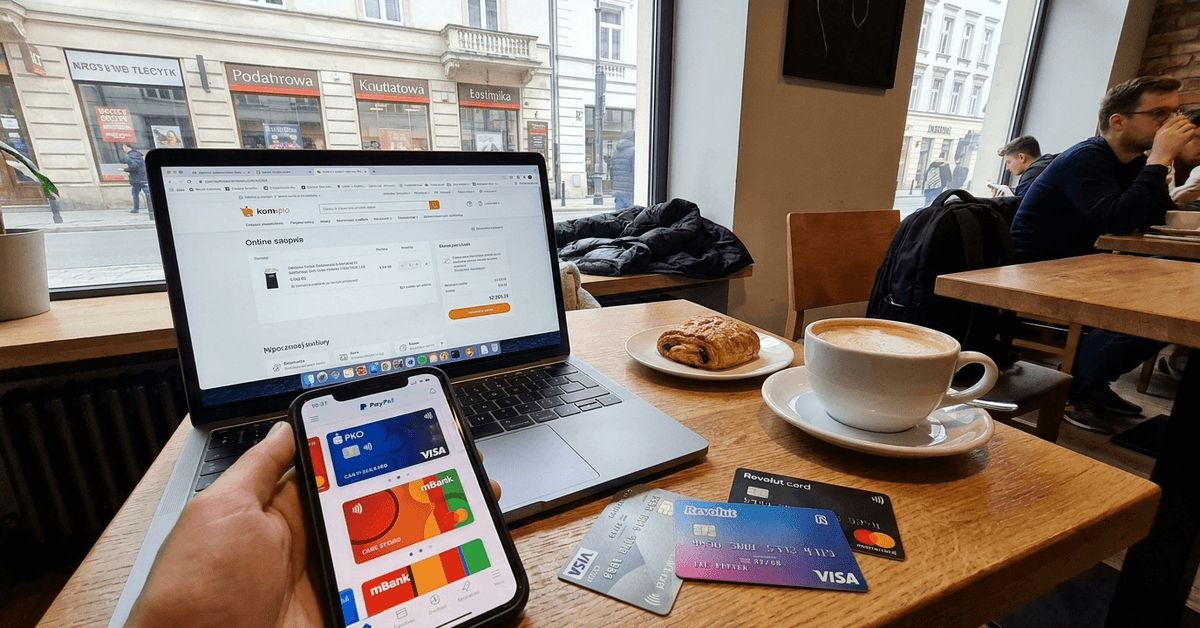
This setup means users can fund their PayPal transactions and withdraw money with competitive rates. Typical Polish bank cards (Alior, mBank, PKO, Santander, ING) function well as long as they’re enabled for internet transactions and international payments.
Adding these cards to a PayPal account is straightforward, though it always helps to verify that the card is authorized for online use. Some banks require explicit approval for overseas or internet-based payments, and a couple of security checks may pop up.
How Does Spending with PayPal Work in Poland?
Whenever a Polish user links a Mastercard or Visa to PayPal, they unlock access to both domestic and international merchants accepting PayPal payments. The seller receives money in their chosen currency while the buyer’s card is billed accordingly.
PayPal applies standard exchange rates for any foreign currency conversion. While these rates are generally competitive, they may not always be as low as pure interbank rates. Checking current PayPal fees is wise if making large-value purchases abroad.
Many users appreciate the buyer protection policies that come with PayPal payments. Purchases made via a linked Polish card can often be disputed or refunded if the product doesn’t arrive or doesn’t match the seller’s promises.
Shop Online in Poland with PayPal
Most top Polish e-commerce stores support PayPal for everything from electronics to travel bookings. Well-known platforms like Allegro, Empik, and MediaMarkt allow seamless online payments with PayPal.
Even without the official PayPal Mastercard, completing everyday online payments is rarely a problem. In fact, many users barely notice the absence unless they specifically want a physical card to withdraw cash or make in-store purchases.
For these types of physical payments, other digital banking solutions may fill the gap, but online shopping remains straightforward and secure with standard linking methods. Users just have to ensure their cards are up to date and active in their PayPal wallet.
Are There Workarounds to Get a PayPal Mastercard in Poland?
This is an area that generates lots of online discussion, but reliable, compliant solutions are limited. Some people claim success obtaining the PayPal card by registering via a foreign address, but this runs serious risks. It likely violates terms of service and can result in frozen funds.
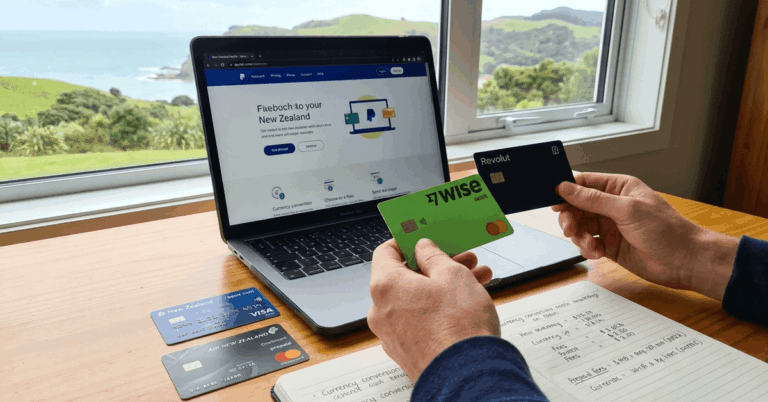
A few international neobanks, such as Revolut or Wise, offer multi-currency Mastercards that can be linked to PayPal, sometimes reaching a similar level of usability. However, none are officially branded as “PayPal Mastercard.”
Ultimately, legal and policy limitations mean there is no legitimate way for Polish residents to obtain a PayPal-branded Mastercard as things stand today. It’s safer—and frankly easier—to use supported Polish cards in PayPal’s digital wallet ecosystem.
Safe and Effective Alternatives for Polish Users
Polish PayPal account holders can maximize their payment reach with a blend of reliable debit or credit cards , domestic e-wallets, and—sometimes—virtual Mastercards from leading fintechs.
Major banks continually improve their digital offerings, including virtual cards with extra fraud protection, dedicated e-commerce insurance, and 3D Secure verification for each transaction.
This ecosystem means there is almost always a way to pay for international goods and services online even in the absence of a dedicated PayPal Mastercard. Convenience varies, but overall functionality is quite robust.
Security and Fraud Protection with PayPal in Poland
PayPal remains highly regarded for its secure transaction technology . All Polish cards linked to PayPal benefit from strong encryption, two-factor authentication, and dispute mechanisms for unauthorized charges.
Polish financial law also means cardholders are protected under local oversight if a dispute cannot be resolved directly via PayPal. Consumers should always monitor their accounts for suspicious activity and review their linked banking security settings.
Fast notification systems, SMS alerts, and dedicated fraud support mean risks are managed as effectively as possible. Peace of mind is generally rated highly by users who prioritize security over physical card convenience.
How to Link a Bank Card to PayPal in Poland
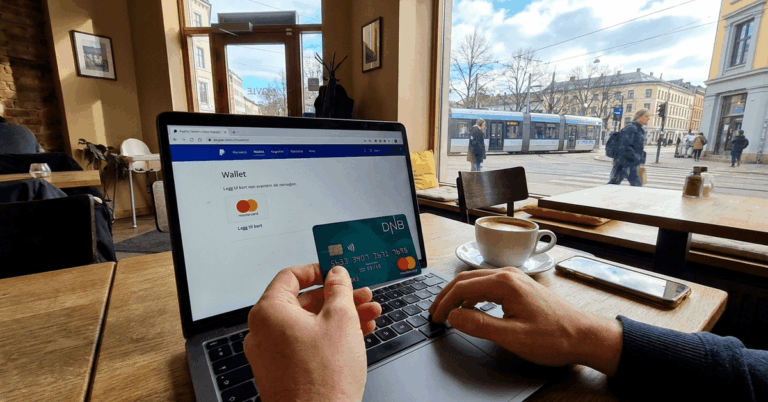
The process is generally routine. Polish PayPal users simply sign in, go to their “Wallet,” and select the option to add a new card. Both credit and debit cards are supported from major banks.
Verification may require a microcharge (often refunded) and sometimes a security SMS. Most users are limited to a handful of cards at once, so updating expired cards or removing old ones ensures smooth transactions.
Polish cards with international payment support will encounter very few obstacles. Occasionally, issues arise with regional card types, but standard Visa and Mastercard usually work instantly. For official instructions, Polish users can visit the PayPal Poland support page.
Using PayPal for Business in Poland
Freelancers and business owners in Poland make heavy use of PayPal to invoice clients, accept global payments, and transfer funds to domestic accounts. Linking a Polish bank account allows instant withdrawal of PayPal balances to PLN.
Although the branded Mastercard isn’t available yet, most day-to-day payment activities flow smoothly through connected bank accounts and cards. PayPal’s global reach makes it an essential tool for cross-border transfers and e-commerce sales alike.
Regulatory tools, tax reporting aids, and straightforward fee structures are all accessible for registered Polish businesses. Users interested in formal business applications of PayPal should consult professional advisors for local tax specifics.
Apply or Check for the Latest PayPal Card Availability
To monitor the current status of the PayPal Mastercard in Poland, users can always refer to PayPal’s official Mastercard landing page. All updates regarding regional eligibility are published directly by PayPal.
Should availability change, that page will provide vetted links for application. Users are encouraged to revisit this official site periodically if interested in future launches or product upgrades tailored to the Polish market.
Conclusion: The Realities of PayPal Mastercard Access in Poland
For Polish residents, the lack of direct access to a PayPal Mastercard might seem like a disadvantage at first. Yet, when looking at the overall payment infrastructure, the impact isn’t as severe as many fear.
The combination of reliable local debit and credit cards, supported integration with PayPal, and advanced banking technologies ensures Polish users remain well equipped for almost any online payment scenario.
Given current financial technologies and regulatory landscapes, most everyday needs are covered efficiently—even for those working with clients or stores outside Poland.
While it’s natural to hope for more card options in the future, the present toolkit is surprisingly comprehensive. Anyone needing international reach can, with a few standard steps, keep payments secure, legal, and easy to track.
If a PayPal Mastercard becomes available to Polish applicants in the future, it’s likely to be widely covered in both official PayPal communications and national press. For now, Polish PayPal users can confidently rely on established payment links and the official support pages to keep their options open and up to date.