Becoming a Walmart Spark driver can be a practical option if you want delivery work with flexible scheduling and app based task management.
This article explains what the job involves day to day, what eligibility standards you must meet, what documents to prepare, and how to apply using only a smartphone.
You will also learn how pay factors typically work and what costs to plan for so expectations stay realistic.
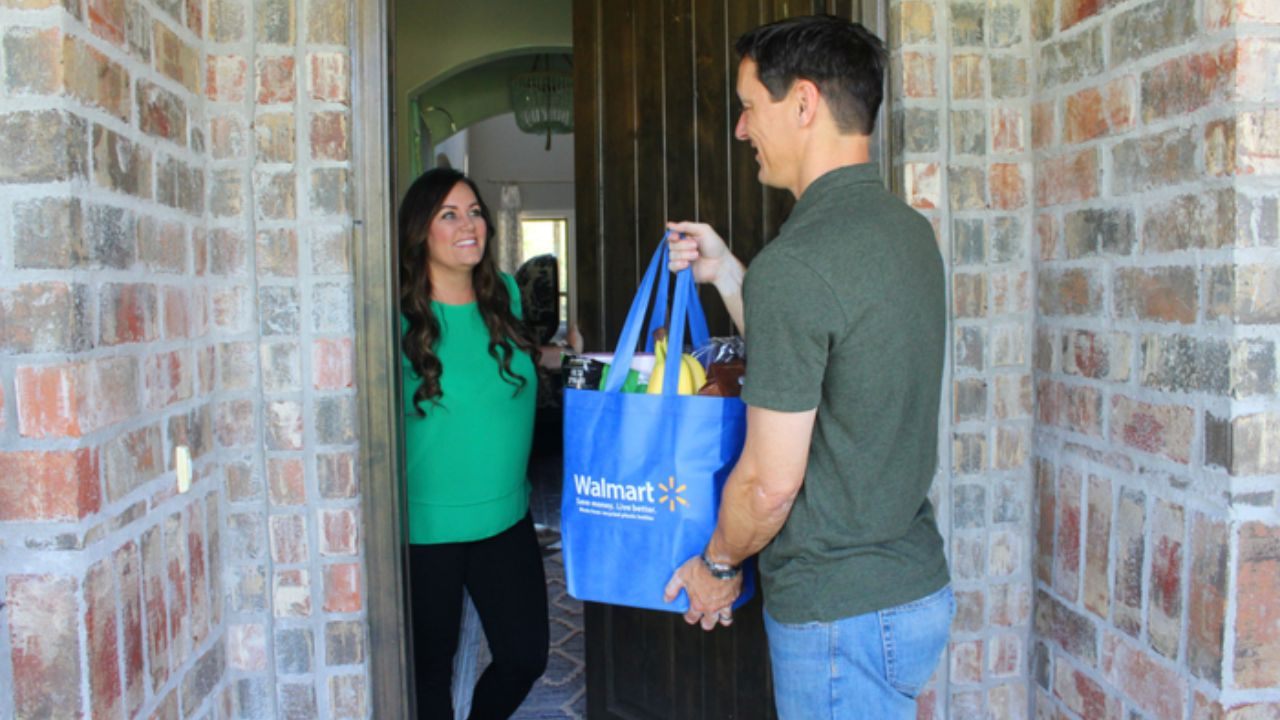
What A Walmart Spark Driver Does Day To Day
A Spark driver completes deliveries by accepting offers in an app, arriving at a pickup point, and delivering to a customer’s address with tracked steps.
The work is independent, but it is not unstructured, since the app guides confirmations, timing, and proof-of-delivery requirements.

Your shift quality depends on reading offer details, following instructions precisely, and keeping items secure in transit. If you prefer practical tasks with clear checkpoints, the routine can feel predictable once you build habits.
Delivery Types And Typical Workflows
Most offers follow a repeatable workflow: accept the offer, navigate to pickup, verify the order, and deliver using the steps shown in the app.
Some trips are simple curbside pickups, while others include extra checkpoints, such as specific drop-off instructions or multi-stop routing.
Your phone is used to confirm arrival, verify the order reference, and record completion, so attention to prompts matters. Drivers who plan routes and avoid unrealistic timing reduce delays and missed steps.
Core Responsibilities And Performance Standards
Your responsibilities include collecting the correct order, protecting items during transport, delivering to the correct address, and completing confirmation steps inside the app.
Performance is typically reflected in completion quality, on-time delivery, and issue rates, such as wrong-address delivery or missing confirmation. Customer communication should stay professional, especially when delivery notes are unclear or access is difficult.
The strongest drivers build a habit of checking labels, verifying addresses, and reading notes before leaving the pickup area. Consistency helps you keep receiving offers.
What Makes A Smooth Delivery Shift
A smooth shift starts with basic preparation: a fully charged phone, a stable data connection, and a clear time window for the offers you accept.
Vehicle organization matters because loose items increase damage risk, especially with groceries and fragile products.
Reading delivery notes early reduces last-minute calls, gate delays, and repeated trips to the car. It also helps to work at a calm pace instead of rushing, since rushing increases errors that can hurt your results. Reliability is built by repeatable habits, not speed alone.
Requirements And Eligibility Before You Apply
Eligibility checks exist to confirm safe driving, identity consistency, and readiness to complete deliveries with basic professionalism.

While exact rules can vary by location, most programs require a valid license, minimum age eligibility, an insured vehicle, and screening steps such as identity verification and a background check.
You also need a compatible smartphone, since the app handles offers, navigation prompts, and document uploads.
Planning these requirements before you start the application reduces delays and prevents repeat submissions. If you meet standards on day one, approval steps usually move more smoothly.
Driver Age, License, And Vehicle Basics
You typically need a valid driver’s license and a driving history that meets the program’s standards for delivery work. Your vehicle must be in a safe operating condition, since frequent stops, short trips, and daily mileage add wear quickly.
Space matters too, because grocery orders can be larger than expected and need secure placement to avoid spills.
Many applicants underestimate the physical side, including carrying bags, handling stairs, and lifting heavier items safely. If you can commit to a steady schedule and maintain your vehicle, you start with a real advantage.
Insurance, Background Checks, And Identity Verification
Active vehicle insurance is commonly required because delivery work depends on meeting basic liability and safety requirements. Screening steps can include a background check and identity verification, which helps protect customers and reduce account fraud risk.
The most common delays come from mismatched names, unreadable document photos, or inconsistent addresses between forms and IDs.
Keep your information consistent across every step and answer questions accurately the first time. If something needs clarification, respond promptly and provide clear details rather than leaving gaps.
Smartphone And App Setup Requirements
Because offers and confirmations happen in the app, your smartphone should have a current operating system, adequate storage, and a reliable data plan.
You will use your camera for document uploads and may need it for delivery confirmation prompts depending on the order type. Notifications and location services should be enabled so you do not miss time-sensitive steps or pickup timing changes.
Carrying a car charger is a simple way to avoid battery-related disruptions during a shift. Reliable phone setup is part of doing the job professionally, not a minor detail.
Documents To Prepare For A Faster Approval
Most application slowdowns come from missing files, blurry photos, or details that do not match across documents and form fields.

Preparing a clean document set before you tap “apply” keeps the process efficient and reduces follow-up requests that delay approval.
You should expect to provide identification, driver and vehicle details, insurance information, and payout setup details for payment processing.
Use bright lighting for photos, avoid glare, and ensure the full document is visible in the frame. When your uploads are clean, the review process tends to move faster.
ID, Driver’s License, And Proof Of Eligibility
Prepare a government-issued photo ID and your current driver’s license, making sure both are valid and easy to read. Enter your personal details exactly as shown on your documents, including spelling and any middle name formatting that appears officially.
If your current address differs from the one on your ID, be ready to provide accurate current information when prompted by the system.
Take photos in natural light, keep the document flat, and avoid shadows across key text. Clean uploads reduce rejections and prevent repeated submission cycles.
Insurance And Vehicle Information
Have your insurance details available, including insurer name, policy information, and coverage dates if the application requests them.
You should also be ready with basic vehicle information such as make, model, year, and any registration details required in your area. Accuracy matters because a mismatch between vehicle entries and insurance data can trigger verification issues later.
If you use more than one vehicle, decide which one you will register for deliveries and keep that record consistent. A stable vehicle profile prevents interruptions after you begin working.
Tax And Payment Setup Information
Since this work is often treated as independent contracting, payout setup usually includes banking details and tax-related information for payment processing. Follow prompts carefully, use an account you control, and double-check numbers before submitting because incorrect entries can delay payouts.
Keep your email and phone number accurate, since verification codes and important updates may be sent through those channels.
You should also plan to track mileage and payouts for your own records, since that supports budgeting and tax preparation. A clean setup helps you start working without payment problems.
Smartphone Application Procedure Step By Step
The smartphone application process is designed to be completed end-to-end through the app and guided prompts, but it moves fastest when your information is prepared and consistent.

Most applicants complete profile creation, identity checks, screening consent, and document uploads directly on their phone.
The key is staying focused while completing each step, since missed fields can reset parts of the process.
After approval, you typically confirm settings, review in-app guidance, and begin accepting offers that match your availability. A careful application is usually faster than rushing and fixing errors later.
Downloading The App And Creating A Profile
Start by downloading the official Spark driver app and creating an account with an email address and phone number you can access reliably.
Fill in your profile using your legal name and accurate address details, since verification steps often match information across multiple sources. Set a strong password and enable any security options offered so your account stays protected from unauthorized access.
Allow notifications, so you receive prompts for document review and screening updates without delays. A complete profile supports faster screening and reduces avoidable follow-up.
Completing Checks And Uploading Documents
Follow the in-app prompts to complete identity verification, provide screening consent, and upload the documents requested for your application.
Take each photo carefully, confirm readability before submitting, and avoid multitasking during uploads, as missed fields can cause delays. If the system asks for additional details, respond quickly and keep answers consistent with your documents to avoid triggering a review.
Monitor email and app alerts for status updates and required actions, since timing can matter for moving forward. Staying responsive keeps your application progressing smoothly.
Activation, First Login, And Taking Your First Offers
After approval, complete the activation steps in the app, review the guidance screens, and confirm settings that control availability and offer notifications.
Before accepting your first offer, test navigation, confirm pickup instructions, and ensure your phone battery support is strong for the full time window you plan to work.
Start with shorter routes or simpler offers until you learn local pickup patterns and the app’s confirmation flow. Early success builds confidence and reduces mistakes that can affect performance measures. A careful first week helps you settle into a consistent routine.
Pay Factors, Incentives, And Practical Benefits
Flexibility is the main practical benefit, since you can often choose when to work and which offers to accept based on your time and driving comfort.

Pay can vary based on distance, order size, time of day, and local demand, and it may also be influenced by tips and incentive periods. That variability makes expense planning important, including fuel, vehicle maintenance, insurance, and taxes.
Drivers who track costs and select efficient trips tend to have stronger net results over time. Treat the role like a small business decision, with clear budgeting and realistic expectations.
How Pay Is Typically Calculated
Most delivery offers include a base amount that reflects the work, then the total can change based on factors such as distance, complexity, and additional bonuses.
Some orders may include customer tips, which can increase totals but vary widely by area and day, so they should not be treated as guaranteed income.
Net earnings depend on efficiency, including how quickly you complete deliveries without errors and how well you avoid dead mileage between trips. Tracking time, fuel, and miles helps you compare offers realistically. When you prioritize efficiency, your average results usually improve.
Incentives, Tips, And Peak Demand Periods
Incentives can appear during busy windows, seasonal demand spikes, or local coverage gaps, and they are designed to increase driver availability when customers need deliveries most.
Tips can also lift totals when service is smooth, and drop-offs follow instructions, but tips can be inconsistent and should be treated as a bonus rather than a plan.
A reliable strategy is choosing offers that make sense even without incentives, then using incentive windows as an extra boost. Plan around high-demand periods that match your schedule and local traffic patterns. Smart timing reduces idle time and improves productivity.
Flexibility, Expenses, And What Drivers Should Budget For
Flexibility comes with responsibility because you cover fuel, maintenance, and the time costs of pickups, waiting, and route planning.
Budget for vehicle wear, including tires, oil changes, brakes, and unexpected repairs, since small issues can quickly become expensive. Set aside money for taxes if your situation requires it, and keep simple records such as mileage logs and payout summaries to support accurate planning.
If you treat costs seriously, you avoid surprises and make better decisions about when to work. Consistent budgeting is what makes flexible driving sustainable.
Conclusion
A Walmart Spark driver role can be a realistic option if you want flexible delivery work and you are comfortable using a smartphone app for offers, navigation prompts, and confirmation steps.
Success depends on meeting eligibility requirements, preparing documents early, and completing the smartphone application with accurate details and clear uploads.